

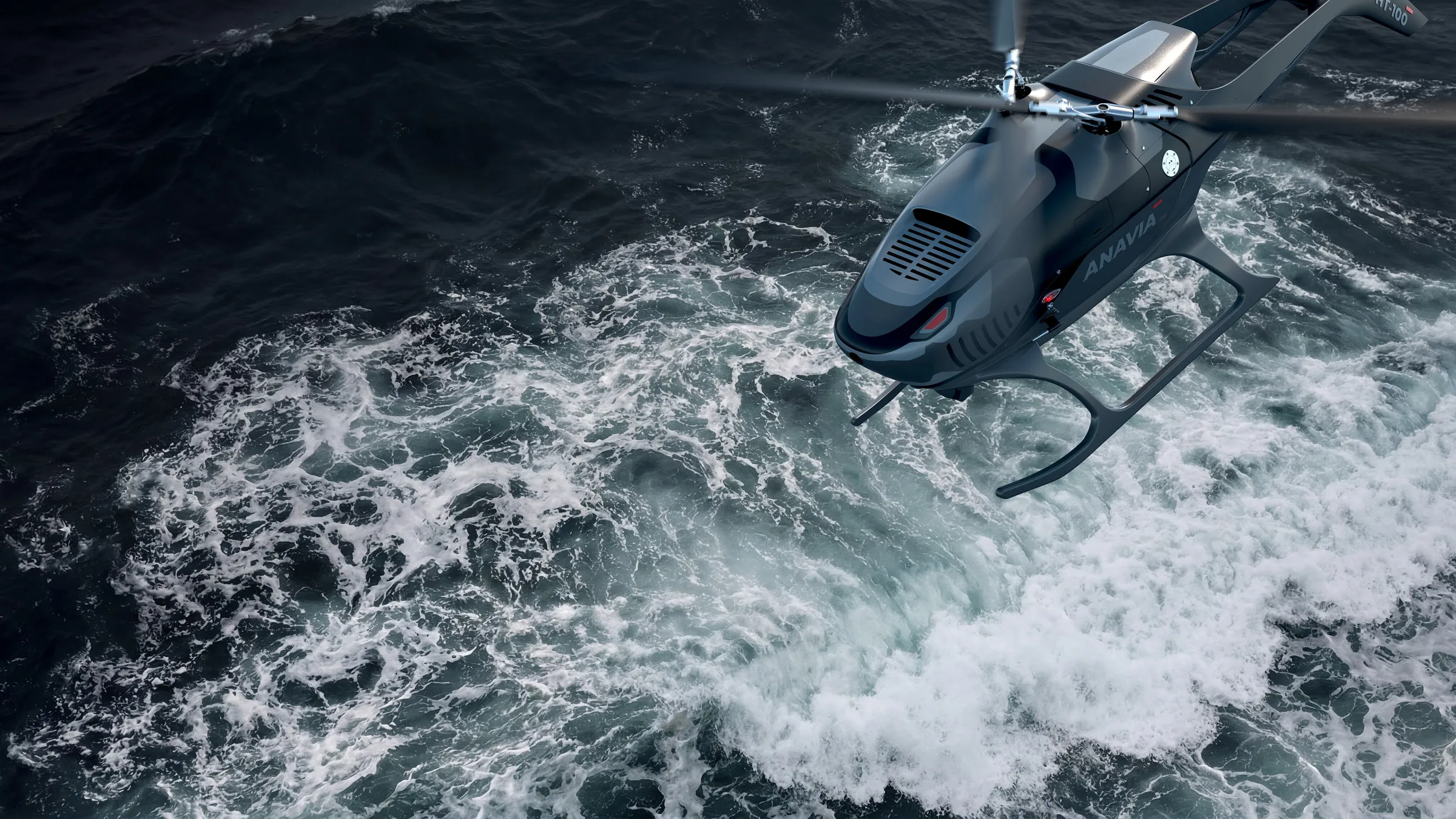
HT-100 Naval
The Future of Unmanned Naval Operations
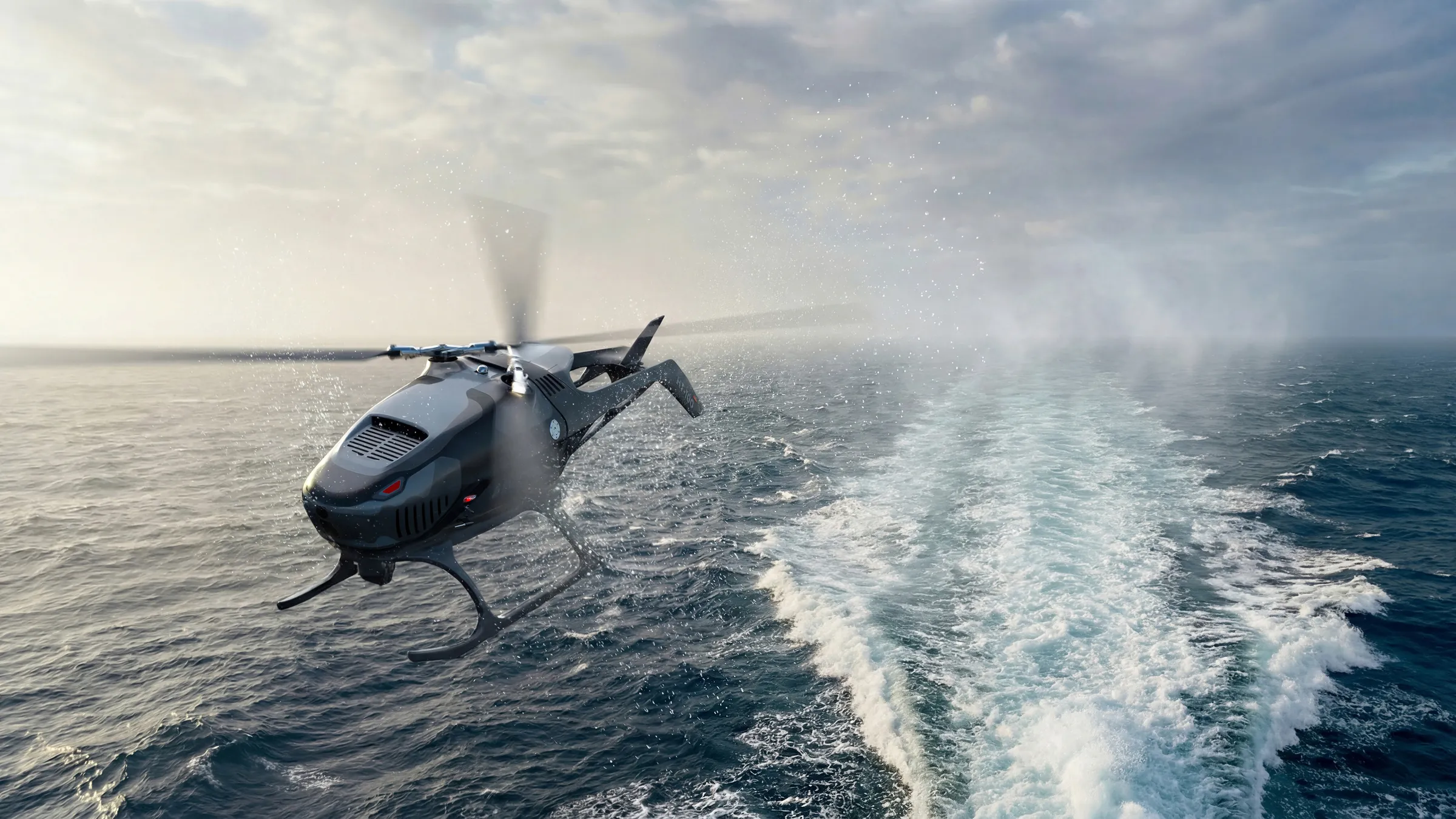
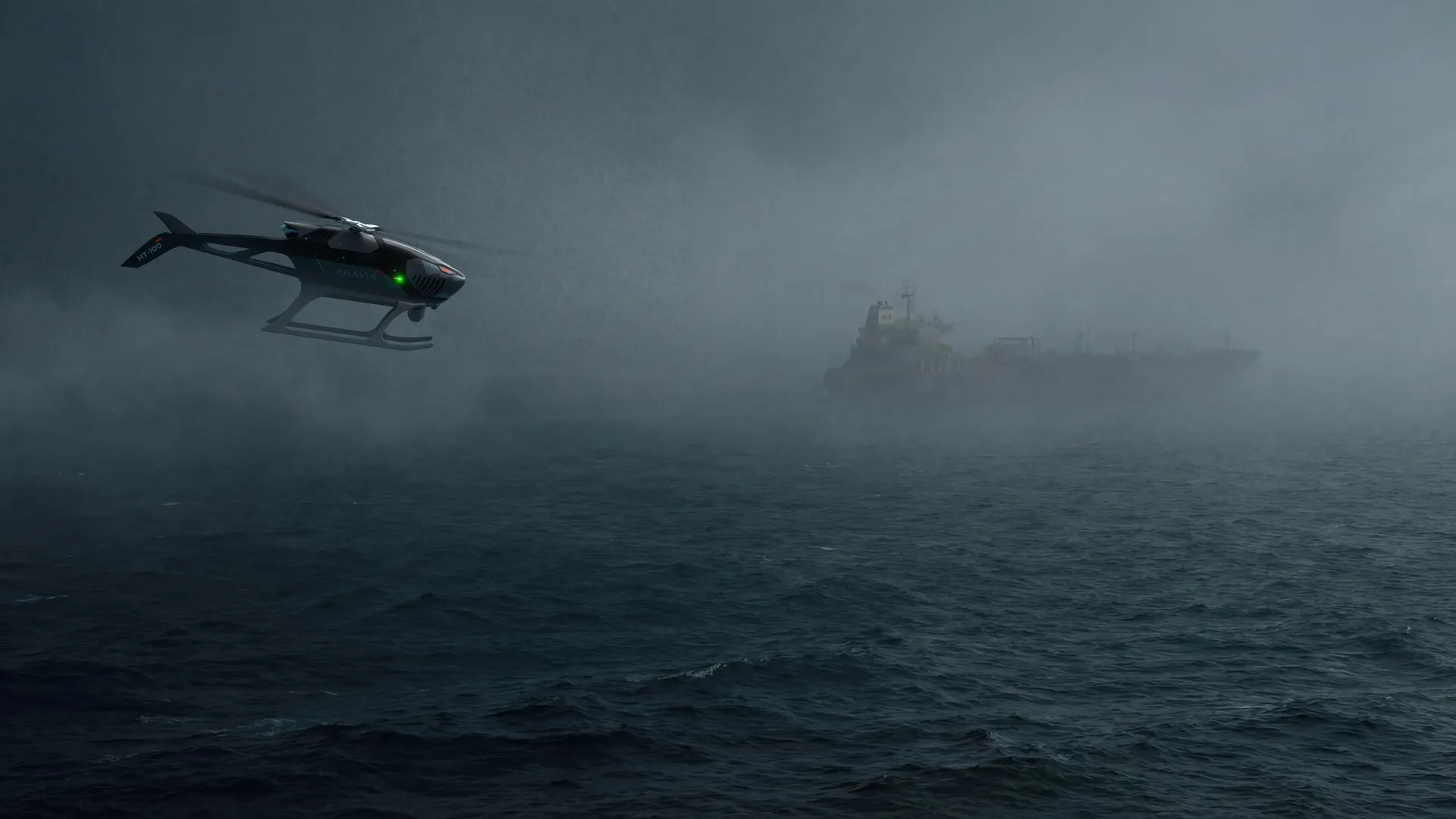
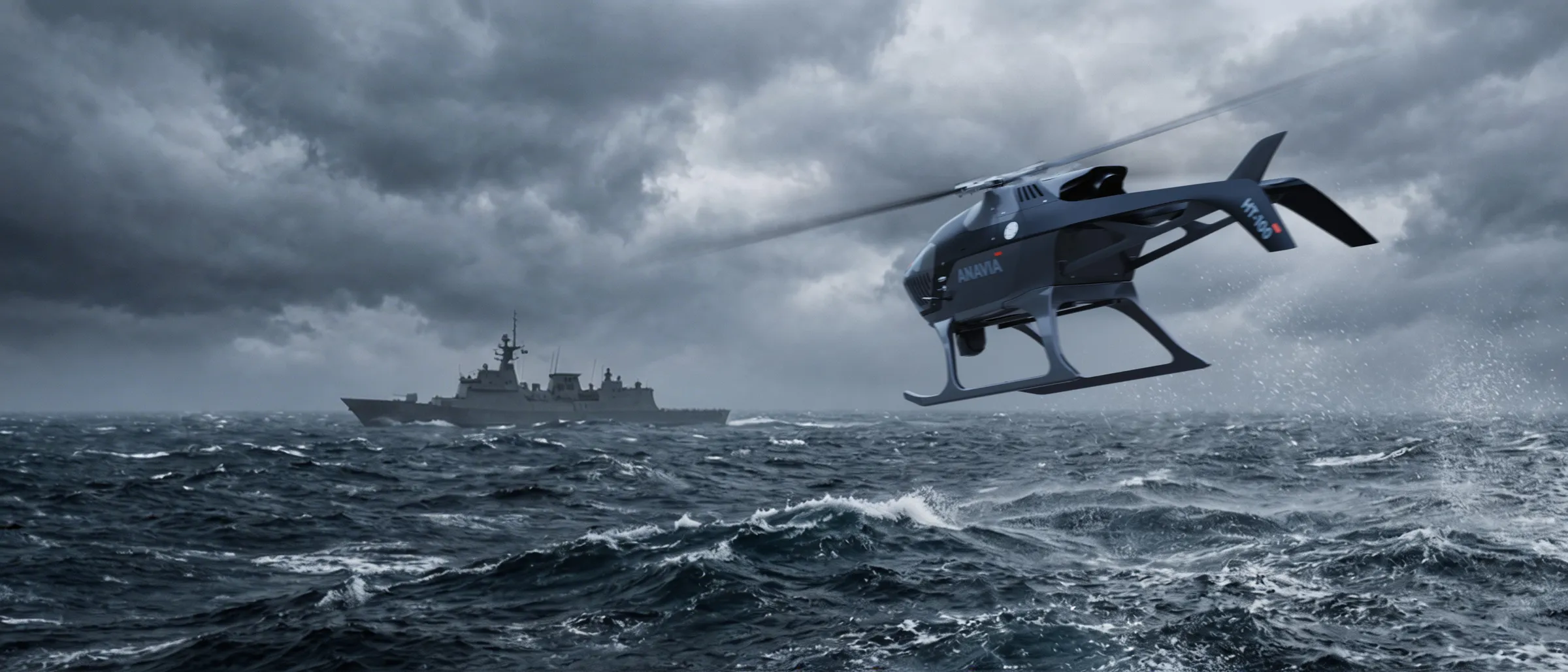
The ANAVIA HT-100 Naval is a maritime variant of the HT-100 unmanned helicopter with a 120 kg MTOW, 60 kg payload, and 6-hour endurance — engineered for shipborne operations in the harshest maritime environments. It features fully autonomous radar-guided deck landing, corrosion-resistant carbon composite airframe, and sealed electronics rated for continuous saltwater exposure.
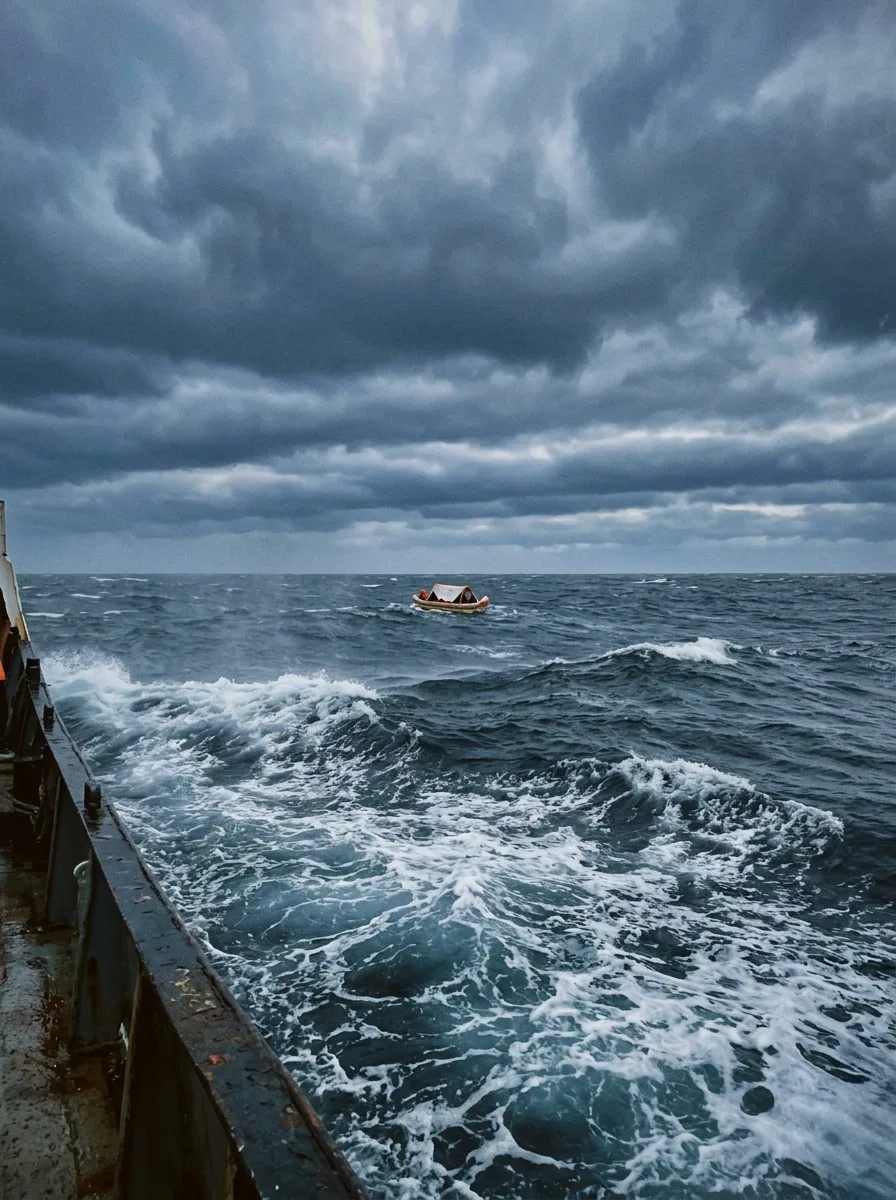
Maritime
Advantage.
Persistent maritime ISR, autonomous deck operations, and sealed systems engineered for the open ocean.
Land on Any
Deck.
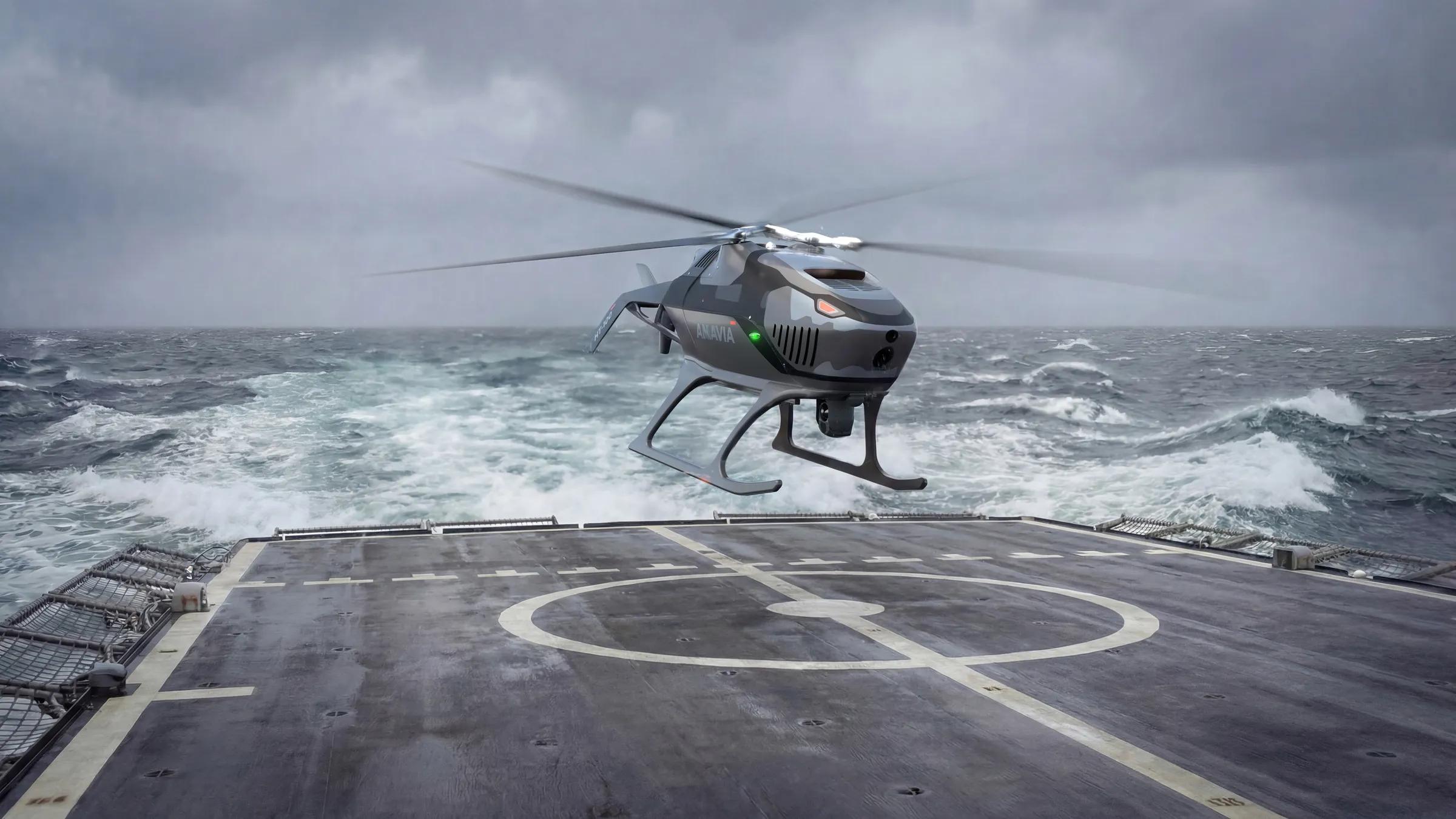
Fully autonomous radar-guided deck landing on any vessel class — corvettes, frigates, offshore patrol vessels, and carriers. No pilot, no line-of-sight operator, no deck crew steering the approach.
3D Relative Positioning
Active radar sensors continuously measure 3D position, velocity, and attitude relative to the moving vessel — independent of GPS.
Sea State 3 Capable
Stable approach and touchdown in pitch, roll, and heave motion. Operating envelope covers Sea State 3 — open-ocean deployment in real weather.
Harpoon Deck Lock
On touchdown, harpoon system engages the deck grid and secures the aircraft. No crew required on deck during recovery.
Emergency Recovery
Emergency flotation devices, harpoon, and ELT beacon ensure recovery in the event of an over-water abort. Full redundancy for crew-free operations.
Integrated
Control.
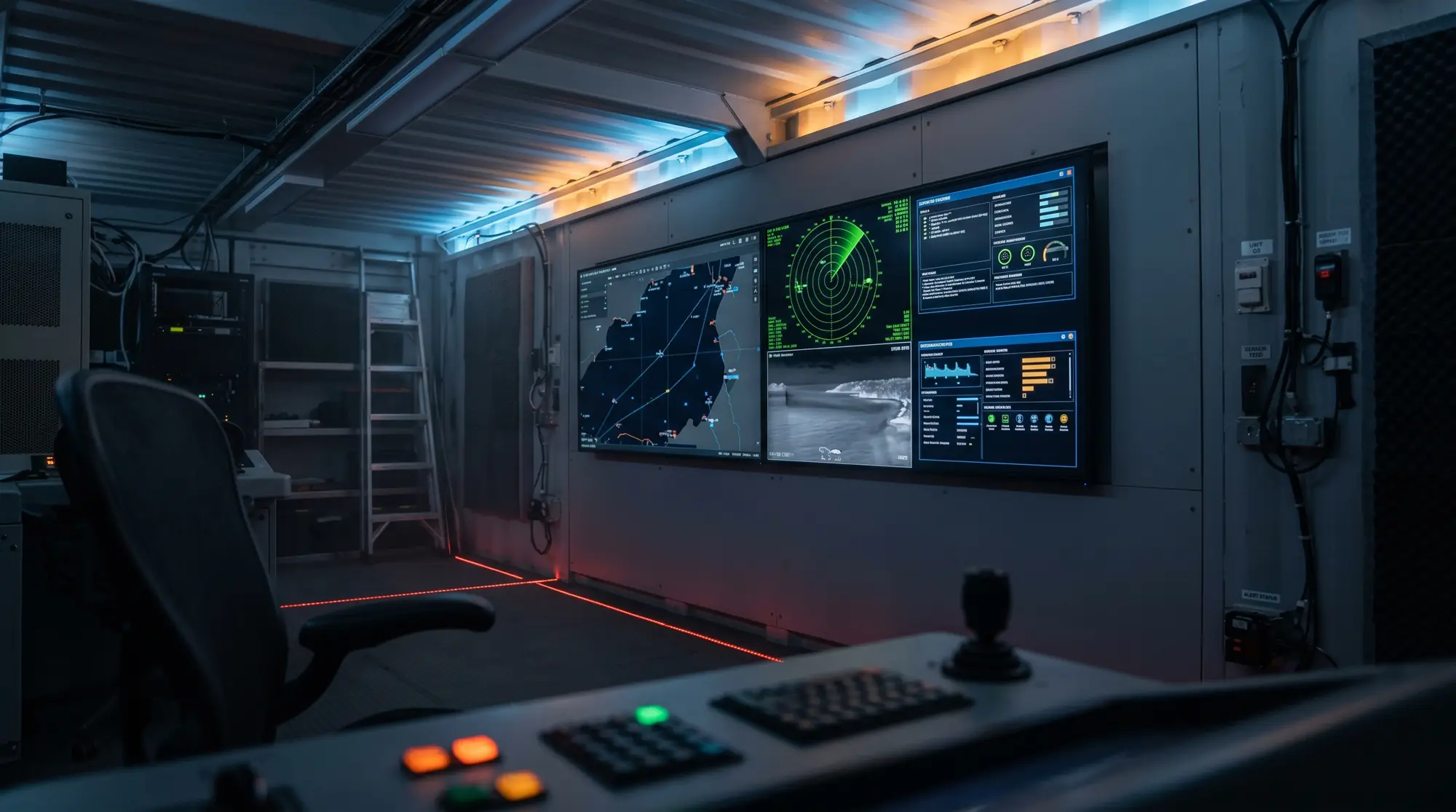
Multiple command center configurations for seamless integration with the vessel's operational architecture — from single-operator portable GCS, to full rack-mount integration into the ship's Combat Information Center, to self-contained modular mission containers.
Portable GCS
Transportable weatherproof flight case deployed anywhere on the vessel. Single-operator mission planning, autonomous flight, and payload control.
Rack-Mount Integration
Permanent rack-mount installation into the ship's Combat Information Center. Dual-screen operator stations, redundant data links, and vessel power integration.
Mobile Mission Container
Modular container-based command center option — deployable to any ship or shore base as a self-contained operations room.
CMS Interoperability
Open-architecture data interfaces for integration with the vessel's Combat Management System. Shared tactical picture, sensor fusion, and mission hand-off.
Beyond Line of Sight
Encrypted MESH IP, active tracking dish, tactical datalink, and LTE/SATCOM for BVLOS control and real-time data relay between aircraft, ship, and shore.
Naval
Technology.
Radar Deck Landing
Active radar sensors provide 3D positioning relative to the moving vessel. Fully autonomous touchdown in Sea State 3.
Corrosion Protection
Carbon fiber airframe with marine-grade surface-treated alloys. Designed for continuous saltwater and salt spray exposure.
Sealed Electronics
All electronics, harnesses, and connectors fully sealed against saltwater ingress. Marine-grade lubrication systems.
Emergency Systems
Harpoon deck lock, emergency floats, and ELT — full recovery capability for over-water operations.
Technical Data
Flight
Performance.
Endurance vs Payload
Common Questions About the HT-100 Naval
What is the ANAVIA HT-100 Naval?
The HT-100 Naval is a maritime variant of the ANAVIA HT-100 unmanned helicopter, specifically engineered for shipborne operations. It features a fully autonomous radar-guided deck landing system, corrosion-resistant carbon composite airframe, sealed electronics and connectors, and emergency equipment including harpoon, floats, and emergency locator transmitter (ELT).
Can the HT-100 Naval land on a moving ship?
Yes. The HT-100 Naval uses active radar sensors that provide 3D positioning, velocity, and attitude measurements relative to the moving vessel. This enables fully autonomous deck landing without human intervention, even in rough sea conditions up to Sea State 3. The harpoon system secures the aircraft to the deck after touchdown.
What maritime missions can the HT-100 Naval perform?
The HT-100 Naval is designed for anti-piracy and maritime surveillance (EO/IR, SAR, SIGINT sensors for real-time vessel tracking), border and Exclusive Economic Zone (EEZ) protection (autonomous patrol detecting unauthorized incursions and illegal fishing), search and rescue (thermal imaging and LiDAR for survivor location), and ship-to-shore logistics (autonomous delivery of critical supplies to vessels and offshore platforms).
How is the HT-100 Naval protected against saltwater corrosion?
The airframe uses corrosion-free carbon fiber structure with marine-grade surface-treated alloys. All electronics, components, harnesses, and connectors are fully sealed against saltwater ingress. Mechanical subsystems use marine-grade materials and sealed lubrication systems designed for continuous exposure to salt spray and humid maritime environments.
Deploy the
HT-100 Naval.
Contact our maritime solutions team to discuss naval operations, coast guard missions, or offshore logistics.